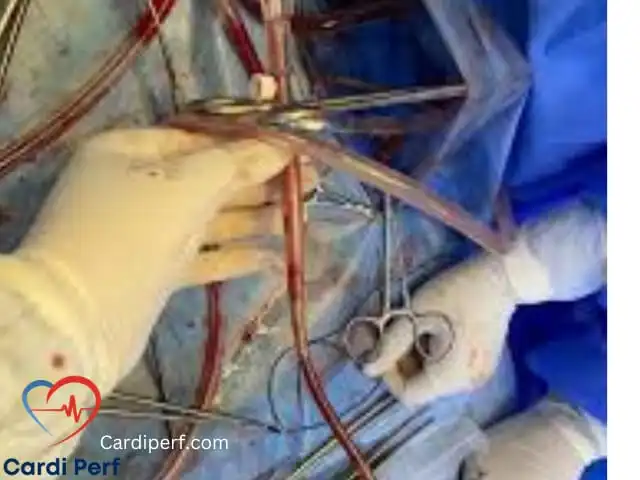
If you or a loved one is scheduled for a heart procedure like a cardiac catheterization, angioplasty, or open-heart surgery, you may hear the clinical team refer to “checking the ACT.” This phrase points to one of the most critical safety monitors in the procedure room: the ACT Machine.
This guide serves a dual purpose: for medical professionals, it’s a detailed procurement and technical resource; for patients and families, it demystifies a vital piece of life-saving technology. We cover everything from the basic working principle to pricing and top brands, helping you understand this cornerstone of modern cardiac care.
What is an ACT Machine? Understanding the Full Form
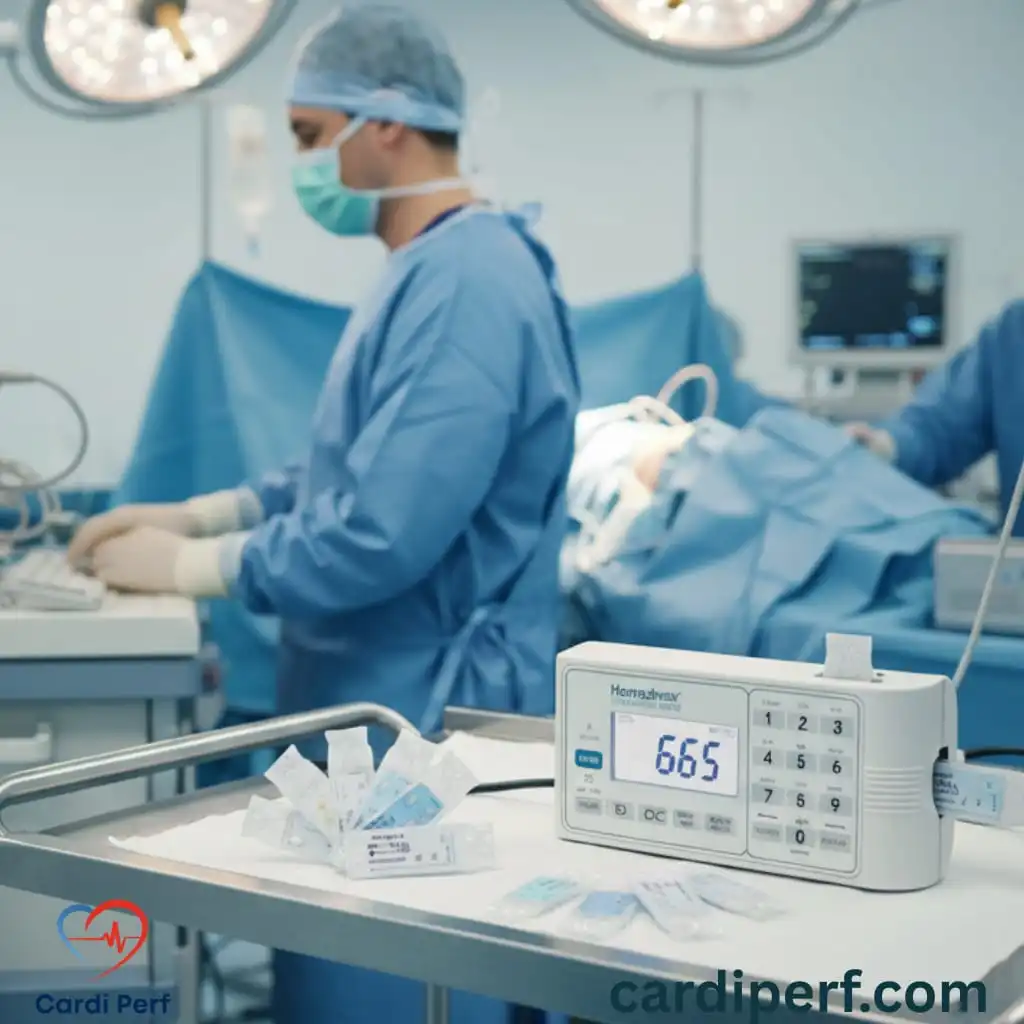
The ACT machine full form is Activated Clotting Time Machine. It is a dedicated, point-of-care blood analyzer that measures how long it takes for a patient’s blood to clot. Unlike standard lab tests that can take hours, the ACT machine provides results at the bedside in seconds, making it indispensable for real-time clinical decision-making.
In simple terms, the ACT machine medical application is specifically designed for monitoring high levels of blood-thinning medications during critical interventions where precise control is a matter of life and death.
The Critical Use of the ACT Machine in the Cath Lab and Beyond
The primary ACT machine use is to manage anticoagulation therapy during procedures where the risk of clotting is extreme. But what does this mean in practice?
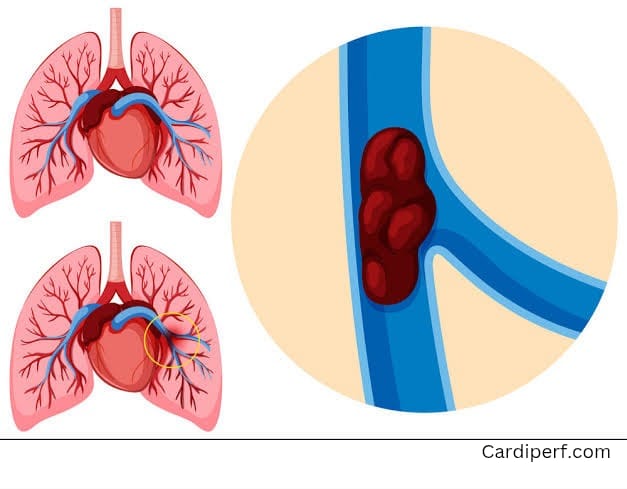
The ACT machine in cath lab and operating room settings is the physician’s guide for dosing heparin, a powerful blood-thinner. During procedures like stenting or bypass surgery, medical instruments can trigger clot formation. Heparin prevents this, but the dose must be perfect: too little leads to dangerous clots; too much causes uncontrolled bleeding.
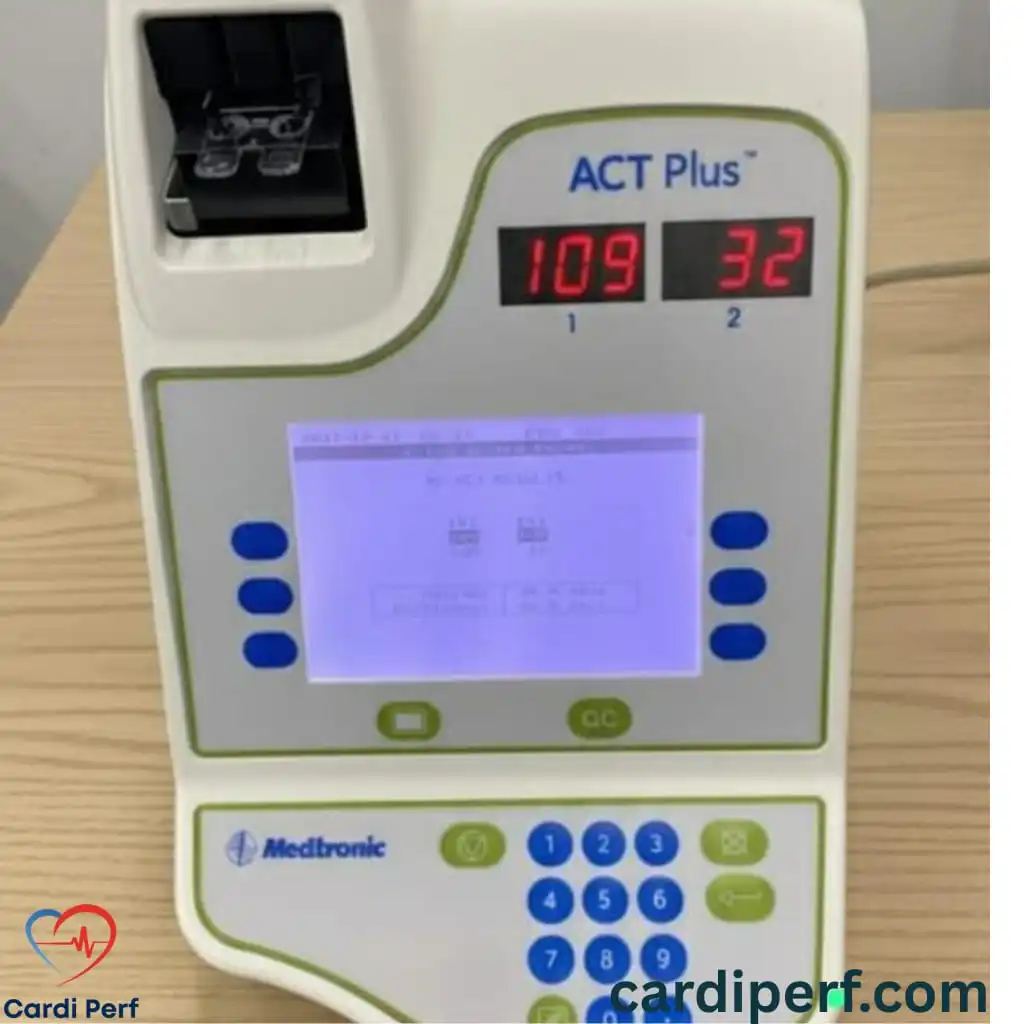
The ACT machine cardiology teams rely on provides the precise data needed to walk this fine line. Its core uses include:
- Percutaneous Coronary Intervention (PCI): Angioplasty and stent placement.
- Cardiac Ablation: For arrhythmias.
- Cardiopulmonary Bypass: During open-heart surgery.
- ECMO (Extracorporeal Membrane Oxygenation) and Dialysis.
How Does it Work? The ACT Machine Working Principle
The ACT machine working principle is both elegant and robust. Here is a step-by-step breakdown of the process:
- Sample Collection: A small fresh whole blood sample is drawn directly from the patient.
- Activation: The blood is placed into a disposable test cuvette containing a clot activator like celite or kaolin. This substance “jump-starts” the clotting cascade.
- Measurement: The cuvette is inserted into the ACT machine. The device then uses a method to detect the clot:
- Mechanical Detection (e.g., Hemochron): A small magnet or pin spins in the blood. The machine measures the time until a clot forms, which is strong enough to stop the movement.
- Optical/Viscoelastic Detection: A beam of light or a vibrating pin monitors the blood. The machine calculates the clotting time by detecting the increased resistance or turbidity as fibrin strands form.
- Result: The machine displays the ACT value in seconds.
Interpreting the Numbers: ACT Blood Test Normal Range
Understanding the ACT blood test normal range is context-dependent. There is no single “normal” value, as the target is tailored to the procedure.
- Baseline Normal Range (No Blood Thinners): 70 to 120 seconds. This is a typical clotting time for an individual not on anticoagulants.
- Therapeutic Range for PCI/Stenting: 250 to 350 seconds. This is the common target to prevent clots on catheters and stents without causing excessive bleeding.
- Therapeutic Range for Cardiopulmonary Bypass: > 400 to 480 seconds. The extensive foreign surface of the heart-lung machine requires intense anticoagulation.
What are the Features of a Modern ACT Machine?
When evaluating an ACT system, clinicians look for features that enhance workflow and safety:
- Rapid Results & Small Sample Volume: For quick decisions and minimal blood loss.
- Portability & Point-of-Care Use: Compact for use at the bedside or in the OR.
- User-Friendly Interface: Reduces training time and user error.
- Data Management: Connectivity to transfer results to electronic medical records (EMR).
- Quality Control: Built-in functions to ensure every test is accurate.
Buy ACT Machine from the Best Brands
Choosing a trusted brand is synonymous with choosing reliability and accuracy.
Medtronic ACT Machine (Hemochron)
The ACT machine Medtronic systems, under the Hemochron brand (e.g., the Signature Elite), are industry standards. Renowned for their robust design and mechanical detection method, they are a top choice for high-acuity environments. The Hemochron ACT machine price reflects this medical-grade precision and durability.
Sonoclot ACT Machine
The Sonoclot Analyzer goes beyond a simple clotting time. It uses viscoelastic technology to provide a detailed analysis of the entire clotting process, including clot rate and strength, making it invaluable for complex coagulopathies.
Other Leading ACT Machine Manufacturers
- Werfen / Instrumentation Laboratory: Known for their compact ACTalyke machine.
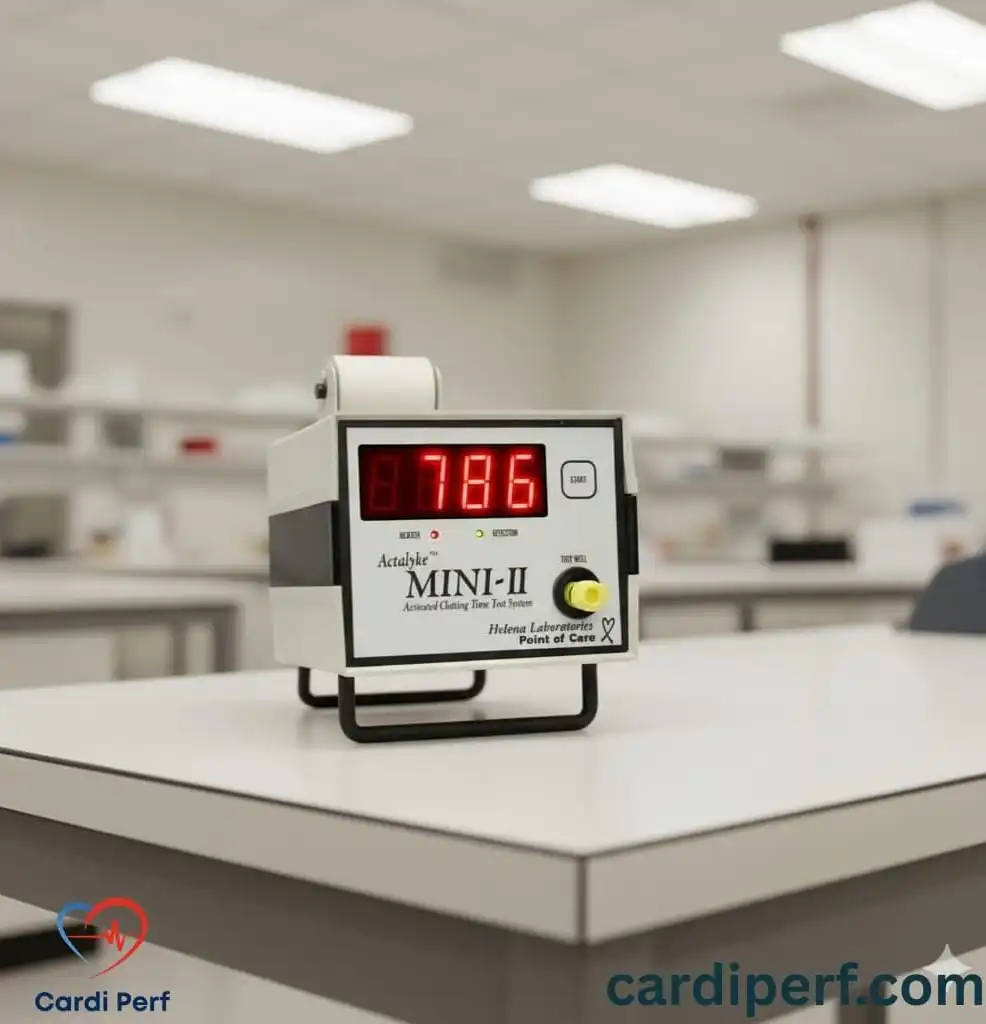
- Helena Laboratories: Another trusted provider of ACT systems.
ACT Machine Price Range
The ACT machine price is a significant investment, varying based on several factors:
- New vs. Refurbished: A new device from a leading brand represents the highest investment. Refurbished ACT machines offer a cost-effective alternative, providing reliable performance from trusted brands at a fraction of the cost.
- Brand and Model: Premium brands command a higher price.
- Features: Machines with advanced data management and multi-parameter testing are priced higher.
As a guide, expect a range from several thousand dollars for a basic or refurbished unit to tens of thousands for a top-tier, fully-featured new system.
Buy ACT Machine at the Lowest Price Online
Finding the best deal is about total value, not just the sticker price.
- Define Your Needs: Determine required features and test volume.
- Compare Quotes: Reach out to multiple reputable suppliers.
- Consider Refurbished: Certified refurbished equipment from established vendors offers exceptional value and is often backed by a warranty.
- Factor in Total Cost: Account for long-term costs of consumables and service.
Frequently Asked Questions (FAQs) about ACT
Q: What is the difference between an ACT test and an aPTT test?
A: The aPTT test monitors lower, therapeutic doses of heparin over time in a central lab. The ACT test is for the very high doses used during surgery, providing a rapid, bedside result crucial for real-time decisions.
Q: How often is the ACT test checked during a procedure?
A: Frequently. A baseline is taken before heparin. After the initial dose, it’s checked every 30-60 minutes, and more often if the dose is adjusted.
Q: What does a low ACT value mean?
A: A low ACT means the blood is not thin enough, risking dangerous clots. The team will likely administer more heparin.
Q: What does a high ACT value mean?
A: A high ACT means the blood is too thin, increasing bleeding risk. The team may wait or administer a reversal agent.
Q: Are there any risks associated with the ACT test itself?
A: The risk is minimal (same as a blood draw, like minor bruising). The benefit of the test far outweighs this minimal risk.