Cardiopulmonary bypass (CPB) is a cornerstone of cardiac surgery, enabling temporary support of the heart and lungs while allowing surgeons to operate on a still, bloodless field. Central to safe and effective CPB is precise temperature regulation, which influences metabolic rate, organ protection (especially the brain and heart), coagulation, and overall patient outcomes. Hypothermia reduces oxygen demand, while controlled rewarming prevents complications like cerebral hyperthermia or endothelial damage. This guide, based on current guidelines and practices as of 2025, covers key aspects of temperature management during CPB, tailored to routine adult cardiac surgery protocols. It draws from the EACTS/EACTAIC/EBCP Guidelines on CPB and emerging research on automated systems. Always adhere to institutional routines and consult multidisciplinary teams for patient-specific application.
Temperature Adjustments of Perfusate in Relation to Priming the Extracorporeal Circuit
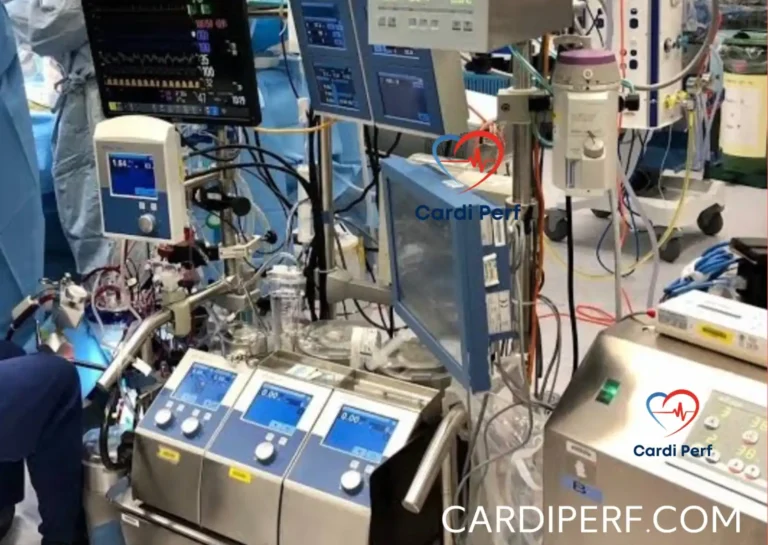
Priming the CPB circuit involves filling it with a balanced crystalloid/colloid solution to remove air and achieve hemodynamic stability before initiating bypass. Perfusate temperature adjustments during priming are critical to match the patient’s baseline core temperature (typically 36–37°C) and avoid initial thermal shocks.
- Standard Practice: Prime the circuit at room temperature (20–25°C) initially for stability, then gradually warm the perfusate to 35–37°C using the heat exchanger unit (HCU) before connection. This minimizes gradient-induced vasoconstriction or arrhythmias upon cannulation.
- Rationale: Sudden cold priming can cause peripheral vasoconstriction, increasing afterload and myocardial oxygen demand. Warm priming supports normothermic or mild hypothermic starts in routine cases.
- Guideline Insight: While specific priming temperatures aren’t mandated, guidelines emphasize gradual transitions to target body temperature post-priming to ensure even heat distribution. Automated systems now integrate priming phase algorithms, adjusting HCU water flow based on real-time sensor feedback for precision.
In local routines, students should verify HCU calibration and monitor arterial line temperatures during this phase
Perfusionist Training Platform
Master perfusion practice with 150 unique MCQs covering all aspects of cardiopulmonary bypass and patient management
Temperature Gradient Limits
Maintaining safe temperature gradients prevents thermal stress, endothelial injury, and uneven organ cooling/rewarming. Gradients refer to differences between arterial perfusate (blood leaving the oxygenator) and patient core (e.g., nasopharyngeal/esophageal) or HCU water temperatures.

a) At Onset of CPB
- Limit: ≤5–10°C between arterial blood and patient core to avoid initial hyperthermia or hypothermia shocks.
- Practice: Start with perfusate at patient baseline (36–37°C), adjusting flows to stabilize within 2–3 minutes.
- Evidence: Exceeding 10°C risks arrhythmias and increased lactate production; automated protocols enforce this via alarms.
b) During Cooling
- Limit: Blood-HCU gradient ≤10°C; core temperature drop rate 1°C every 3–5 minutes.
- Practice: Gradual cooling from 37°C to target (e.g., 28–32°C for mild-moderate hypothermia) over 10–20 minutes, monitoring multiple sites.
- Rationale: Rapid cooling (>1°C/min) can cause microemboli or uneven cerebral perfusion. Guidelines recommend slow rates for neuroprotection.
c) During Rewarming
- Limit: Blood-core gradient ≤4°C; rate 1°C every 3–5 minutes, avoiding >37°C arterial outlet.
- Practice: Initiate post-cross-clamp release or arch repair, targeting 36–37°C by CPB weaning. Use countercurrent HCU flow for efficiency.
- Evidence: Fast rewarming links to postoperative cognitive dysfunction (POCD) and cerebral injury (meta-analysis of 4 RCTs); limit to <0.5°C/min for safety.
| Phase | Recommended Gradient Limit | Max Rate | Monitoring Sites |
|---|---|---|---|
| Onset | ≤5–10°C (arterial-core) | Stabilize in 2–3 min | Arterial, nasopharyngeal |
| Cooling | ≤10°C (blood-HCU) | 1°C/3–5 min | Core, peripheral, NIRS |
| Rewarming | ≤4°C (blood-core) | 1°C/3–5 min | Arterial outlet, bladder |
Acid-Base Management in Relation to Cooling and Heating
Temperature alters blood gas solubility (CO₂ decreases ~4.5%/°C cooling), affecting pH and PaCO₂. Management strategies balance cerebral autoregulation and oxygenation.
- Alpha Stat: Maintains pH 7.35–7.45 and PaCO₂ 35–45 mmHg uncorrected for temperature. Preferred for adults in high-moderate hypothermia (24–28°C) as it mimics physiological shifts, preserving alpha-imidazole dissociation for protein function.
- Pros: Better neurological outcomes (3 RCTs from 1990s); standard in guidelines (Class IIa, Level B).
- pH Stat: Corrects to pH 7.35–7.45 and PaCO₂ 40 mmHg at patient’s temperature, adding CO₂ during cooling for vasodilation and improved cerebral flow.
- Pros: Enhances O₂ delivery in deep hypothermia (<20°C); useful in pediatrics or DHCA.
- Cons: Risks alkalosis during rewarming; mixed neuroprotection evidence.
Switch based on case: Alpha stat for routine; pH stat for deep hypothermia or poor cerebral perfusion (monitor with NIRS). Automated systems adapt gas sweep rates dynamically.
Acceptable Temperature Settings of HCU Related to Target
The HCU circulates temperature-controlled water around the oxygenator to regulate perfusate.
- Min/Max Settings: 5–40°C water temperature (manufacturer-specific); avoid extremes to prevent condensation or inefficiency.
- Gradient to Target: HCU water 2–5°C below/above perfusate target for efficient heat exchange (countercurrent flow).
- Routine Targets: 28–34°C for mild hypothermia; 18–22°C for deep (DHCA). Monitor arterial outlet continuously (Class I, Level C).
- Safety: Annual disinfection protocols to prevent Mycobacterium chimaera (Class I, Level B); place HCU outside OR if possible.
Automated HCUs now use algorithms for predictive adjustments, reducing manual variability.
Temperature-Flow Conditions
Hypothermia reduces metabolic rate (6–7%/°C), allowing lower flows while maintaining oxygen delivery (DO₂ = flow × CaO₂).
- General Rule: Full flow (2.2–2.8 L/min/m²) at normothermia (37°C); reduce 5–10% per °C below 32°C, ensuring DO₂ >250–300 mL/min/m².
- Examples:
- 32°C: ≥220 mL/kg/min.
- 28°C: ≥180 mL/kg/min (~50% metabolic reduction).
- 18°C: ≥80 mL/kg/min or circulatory arrest.
- Evidence: Meta-analyses support moderate hypothermia with adjusted flows for arch surgery, reducing stroke risk (OR 0.55–0.87). Monitor with NIRS for cerebral saturation.
Temperature Choice for Different Perfusion Conditions
- Routine CABG/Valve: Mild hypothermia (28–34°C) or normothermic for faster recovery and lower POCD (Class IIa, Level B).
- Aortic Arch: Moderate (24–28°C) with antegrade cerebral perfusion (Class IIa, Level B); deep (18–20°C) for DHCA ≤30–40 min.
- Emergency/Dissection: High-moderate (24–28°C) to balance speed and protection.
- Pediatric/Neonatal: Deeper (18–22°C) with pH stat.
Normothermic CPB considered if DO₂ maintained, reducing delirium (meta-analysis, RR 0.99).
Pressure Variation Limits in the Extracorporeal Circuit and Patient at Different Temperatures
Hypothermia increases viscosity, raising line pressures; vasodilation in rewarming lowers them.
- Circuit Limits: Inlet <300 mmHg, outlet <150 mmHg; adjust pump speed if exceeded.
- Patient (MAP): 50–70 mmHg at hypothermia (autoregulation shifts rightward); >70 mmHg normothermic to prevent POCD.
- Temperature Impact: At <28°C, pressures rise 20–30% due to viscosity—reduce flow or use in-line filters. Rewarming: Monitor for hypotension (add vasopressors if MAP <50 mmHg).
- Evidence: Observational data link pressure spikes to hemolysis; guidelines stress avoiding overpressurization (Class I, Level C).
Medication During Hypothermia
Pharmacokinetics slow in hypothermia (e.g., prolonged propofol half-life); dose adjustments needed.
- Key Agents: Vasopressors (norepinephrine) for vasoconstriction; barbiturates (thiopental) for DHCA brain protection (Class IIb, Level B—reduces metabolic rate via EEG isoelectricity). Steroids (e.g., methylprednisolone) may reduce inflammation (Class IIb, Level C; RCTs show shorter ventilation).
- Cardioplegia: Cold (4–8°C) for myocardial protection; warm (37°C) for reperfusion “hot-shot.”
- ACT Adjustment: Hypothermia prolongs heparin effect—target ACT >480s, with protamine reversal post-rewarming.

Variations in Monitor Parameters During Hypothermia
BIS/PSI: Decrease ~1.2/°C (BIS) or 0.84/°C (PSI) during cooling; monitor for isoelectric EEG in DHCA. NIRS (rScO₂): Drops with inadequate flow; target >50%—bilateral recommended (Class I, Level C). Blood Gases: Increased PaCO₂ solubility; lactate rises if DO₂ low (>4 mmol/L links to complications). Other: TCD for emboli; EEG for burst suppression. Automated logging flags variances.
Safe Arrest-Time and Flow During Hypothermia
- DHCA (18–20°C): Safe arrest 20–40 min (brain tolerance; bilateral ACP extends to 86–164 min). Flow pre-arrest: Minimal (0.5–1 L/min/m²).
- MHCA (24–28°C): Arrest <20 min with ACP (10–15 mL/kg/min cerebral flow).
- Evidence: Meta-analyses (n=5,100) show lower neurological dysfunction with ACP vs. DHCA alone.
Importance of Peripheral Temperature
Core (nasopharyngeal) lags behind arterial by 0.5–2°C during cooling but can exceed during rewarming, risking focal hyperthermia. Peripheral (forehead/toe) gradients >10°C indicate uneven perfusion—monitor to guide flow adjustments and prevent rewarming injury (e.g., skin burns or coagulopathy). Guidelines mandate multi-site monitoring (Class I, Level C).
Patient Warming Blanket (Water-Blanket or “Bair-Hugger”)
Post-CPB, active warming prevents hypothermia-related shivering, bleeding, and infections.
- Water-Blanket: Circulating 40–42°C water under patient; targets core >36°C gradually.
- Bair-Hugger: Forced-air warming (38–43°C); faster but risks burns if prolonged.
- Practice: Combine with circuit rewarming; start at 36°C target, avoiding >1°C/hour rise. Evidence: Reduces stay (observational studies).
Target for “Warm Patient” in Routine Cases and After Circulatory Arrest
- Routine Cases: Normothermia (36–37°C) by ICU arrival; mild hypothermia intra-CPB (32–34°C) for most.
- Post-Circulatory Arrest: Rewarm to 36°C slowly post-DHCA, prioritizing brain (nasopharyngeal first); avoid >37°C to prevent reperfusion injury.
- Guideline Target: Arterial outlet ≤37°C always (Class I, Level A); full normothermia before extubation.
Frequently Asked Questions (FAQs) on Temperature Regulation in CPB
Here are essential FAQs on temperature regulation in CPB, drawing from current guidelines and best practices in cardiac surgery. These address common queries for perfusionists, surgeons, and students to enhance understanding and safety during cardiopulmonary bypass procedures.
1. What is the primary role of temperature regulation in CPB?
Temperature regulation in CPB is crucial for protecting organs like the brain and heart by reducing metabolic demand during surgery. Hypothermia lowers oxygen needs, while controlled rewarming prevents complications such as cerebral hyperthermia or coagulopathy. Guidelines emphasize precise control to optimize outcomes, with mild hypothermia (28–34°C) standard for routine cases.
2. How do you adjust perfusate temperature during priming of the extracorporeal circuit?
During priming, start with room-temperature solution (20–25°C) for stability, then warm the perfusate to 35–37°C using the heat exchanger unit (HCU) to match the patient’s core temperature. This gradual adjustment avoids thermal shocks, vasoconstriction, or arrhythmias upon initiating bypass, ensuring even heat distribution as per institutional protocols.
3. What are the temperature gradient limits at the onset of CPB?
At the onset of CPB, maintain a gradient of ≤5–10°C between arterial perfusate and patient core temperature (e.g., nasopharyngeal). Start perfusate at the patient’s baseline (36–37°C) and stabilize within 2–3 minutes. Exceeding this risks arrhythmias and lactate buildup; automated systems often include alarms for compliance.
4. What are the recommended temperature gradient limits during cooling and rewarming in CPB?
During cooling, limit the blood-HCU gradient to ≤10°C with a core drop rate of 1°C every 3–5 minutes. For rewarming, keep the blood-core gradient ≤4°C at the same rate, avoiding arterial outlet >37°C. These limits, supported by EACTS guidelines, prevent uneven perfusion, microemboli, and postoperative cognitive dysfunction.
5. What is the difference between alpha stat and pH stat in acid-base management during temperature changes in CPB?
Alpha stat maintains uncorrected pH 7.35–7.45 and PaCO₂ 35–45 mmHg, mimicking physiological shifts for better neurological outcomes in moderate hypothermia (preferred for adults). pH stat corrects to the same values at the patient’s temperature by adding CO₂, enhancing cerebral flow in deep hypothermia (<20°C) or pediatrics. Alpha stat is the default per guidelines.
6. What are acceptable temperature settings for the HCU in relation to CPB targets?
HCU water temperatures should range from 5–40°C, with a 2–5°C gradient to the perfusate target for efficient exchange. Routine targets include 28–34°C for mild hypothermia or 18–22°C for deep hypothermia with circulatory arrest. Monitor arterial outlet continuously, and follow annual disinfection to mitigate infection risks.
7. How do temperature-flow conditions change during hypothermia in CPB?
Hypothermia reduces metabolic rate (6–7% per °C drop), allowing flow reductions: full 2.2–2.8 L/min/m² at 37°C, down to ≥180 mL/kg/min at 28°C, ensuring DO₂ >250 mL/min/m². Use near-infrared spectroscopy (NIRS) to monitor cerebral saturation, adjusting flows to prevent inadequate oxygenation.
8. What medications are commonly used during hypothermia in CPB, and why?
Vasopressors like norepinephrine counter vasoconstriction, while barbiturates (e.g., thiopental) provide neuroprotection in deep hypothermia by inducing EEG isoelectricity (Class IIb recommendation). Cold cardioplegia (4–8°C) protects the myocardium, and steroids may reduce inflammation. Dose adjustments are needed due to slowed pharmacokinetics.
9. What are safe arrest times and flows during hypothermia in CPB?
For deep hypothermic circulatory arrest (DHCA at 18–20°C), safe arrest is 20–40 minutes; bilateral antegrade cerebral perfusion extends this to 86–164 minutes. Pre-arrest flows should be minimal (0.5–1 L/min/m²). Moderate hypothermia (24–28°C) limits arrest to <20 minutes with selective perfusion, reducing neurological risks per meta-analyses.
10. Why is peripheral temperature monitoring important in CPB, and what are post-procedure warming targets?
Peripheral temperature (e.g., forehead or toe) highlights uneven perfusion—gradients >10°C signal issues like inadequate flow. It lags core during cooling but can exceed it in rewarming, risking injury. Post-CPB, target normothermia (36–37°C) using water-blankets or Bair-Hugger; after arrest, prioritize slow rewarming to 36°C to avoid reperfusion damage.
Key Takeaways and Future Directions
Effective temperature regulation in CPB demands vigilance across phases, with alpha stat as default, gradients <10°C, and multi-site monitoring. Emerging automated systems promise reduced variability and better outcomes, validated in simulations (97% gradient adherence). For students, mastering local routines through simulation builds confidence. Ongoing RCTs will refine deep hypothermia limits and AI integration. This is educational—clinical decisions require expert oversight. for update visit at cardiperf.com